First-Time Home Buyer Programs
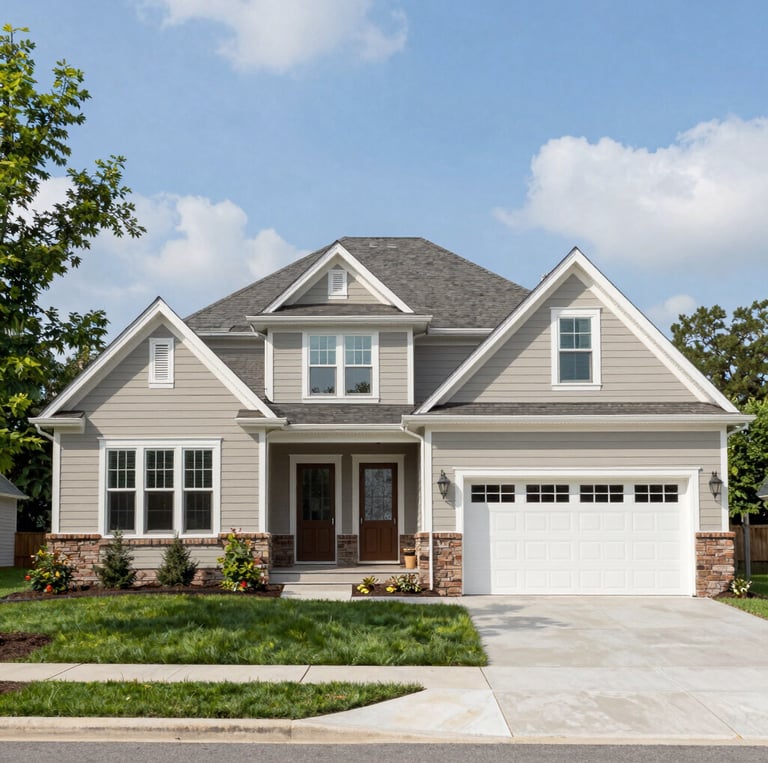
Buying your first home may be more realistic than you think. Depending on your qualifications, you may be able to buy with as little as 3% down using a conventional mortgage, use gift funds from family, or explore down payment assistance programs that help reduce the cash needed at closing. The best first-time home buyer program is not always the one with the lowest upfront cost. It is the one that best fits your full financial picture, including monthly payment, long-term cost, and flexibility in the future.
First-Time Home Buyer Mortgage Options
There is not just one first-time home buyer loan. First-time buyers may have access to several different mortgage options, including standard 3% down conventional financing, affordable conventional programs, family gift funds, and down payment assistance programs. Some buyers assume they need a special grant program to purchase a home, but that is not always true. In many cases, a standard conventional structure may be a better fit than buyers expect. Fannie Mae’s 97% LTV option is specifically designed to help qualified first-time homebuyers with a 3% down conventional loan, while HomeReady, Home Possible, and HomeOne also provide low-down-payment paths for qualified borrowers.
3% Down Conventional Loans
Many first-time home buyers are surprised to learn that a conventional mortgage may be available with as little as 3% down. Depending on the scenario, this may include standard 97% loan-to-value conventional financing or affordable conventional programs such as HomeReady, Home Possible, or HomeOne. These options can help qualified buyers purchase a home with less cash upfront while still keeping a conventional loan structure. Fannie Mae says its 97% LTV financing helps lenders serve qualified first-time homebuyers, and Freddie Mac states that both Home Possible and HomeOne can offer 3% down options for qualified buyers.
Affordable Conventional Programs
Some first-time home buyer programs are designed to improve affordability for qualified borrowers. HomeReady and Home Possible are two of the best-known examples. These programs may offer low down payment requirements and certain pricing or fee advantages compared with other financing structures, depending on the borrower and scenario. Fannie Mae describes HomeReady as a product designed to expand access to homeownership with down payments as low as 3%, and Freddie Mac says Home Possible includes credit fee caps and additional savings for qualified borrowers.
Using Gift Funds for a Down Payment
In many cases, first-time buyers may be able to use gift funds from family for part or all of the down payment and closing costs, depending on the loan program and structure. For some buyers, this can be a better long-term option than using down payment assistance, especially when it helps keep the loan simpler and avoids the tradeoffs that may come with certain assistance programs. Fannie Mae states that funds for part or all of the down payment and closing costs may come from a variety of sources, and Freddie Mac says Home Possible allows flexible sources of funding. Fannie Mae’s borrower-facing materials also specifically list family gifts as a source that can help cover down payment and closing costs.
Down Payment Assistance Programs
Down payment assistance programs can help reduce the cash needed to buy a home, and they may be worth exploring for some first-time buyers. However, not every assistance program is the best long-term deal. Depending on the structure, some may involve a higher interest rate, a repayable second lien, or restrictions that do not exist with a standard 3% down conventional loan. That does not make down payment assistance bad. It just means it should be compared honestly against other options, including a family gift strategy or a conventional low-down-payment program. Fannie Mae’s guidance on down payment and closing cost assistance explicitly discusses grants, Community Seconds, and gifts as separate funding sources, which supports comparing assistance options instead of treating them as the only path.
3% Down Conventional vs Down Payment Assistance
For many first-time home buyers, the biggest question is not whether they can buy a home. It is which structure makes the most sense.
A standard 3% down conventional loan may be a strong fit for buyers who want a straightforward loan structure and may have access to family gift funds. A down payment assistance program may help reduce upfront cash needed even further, but it can also come with tradeoffs depending on how the assistance is structured. In the real world, the right answer depends on the full picture: interest rate, monthly payment, cash to close, repayment terms, and long-term flexibility.
Who These Programs May Be Best For
First-time home buyer programs may be a strong fit for:
Buyers with limited savings
Borrowers who qualify for 3% down conventional financing
Buyers with family willing to help with gift funds
Borrowers comparing conventional financing against assistance programs
First-time buyers looking for the most affordable overall structure
First Time Home Buyer FAQs
Can a first-time home buyer get a conventional loan with 3% down?
Yes. Some conventional programs allow qualified first-time buyers to purchase with as little as 3% down. Fannie Mae’s 97% LTV option is designed for qualified first-time homebuyers, and Freddie Mac also offers qualified 3% down options through Home Possible and HomeOne.
Are there first-time home buyer programs with better pricing?
Some affordable conventional programs may offer fee caps, credits, or other affordability advantages for qualified borrowers depending on the scenario. Freddie Mac says Home Possible includes credit fee caps and additional savings for qualified borrowers, and Fannie Mae says HomeReady can offer a borrower credit for eligible loans during the current promotional period listed on its product page.
Can family gift money be used for the down payment?
In many cases, yes. Fannie Mae says funds for part or all of the down payment and closing costs can come from a variety of permitted sources, and its borrower-facing materials specifically include family gifts.
Is down payment assistance always the best option?
Not always. It can be a great tool, but it should be compared against standard conventional options, gift funds, and the full long-term payment structure.
What is the difference between HomeReady, Home Possible, and standard 3% down conventional?
All three can support low-down-payment homeownership, but they are not identical. Standard 97% LTV conventional financing is a broad 3% down option for qualified first-time buyers, while HomeReady and Home Possible are affordable conventional programs with added eligibility rules and affordability-focused features.
First-Time Home Buyer Programs in Indiana
We help first-time home buyers throughout Indiana compare 3% down conventional options, affordable conventional programs, family gift strategies, and down payment assistance programs to find the structure that best fits their budget and long-term goals. If you are buying in Carmel, Fishers, Indianapolis, Noblesville, Westfield, or surrounding areas, we can help you compare the real numbers side by side.
Ready to Compare Your First-Time Home Buyer Options?
If you are buying your first home, we can help you compare standard 3% down conventional financing, affordable conventional programs, gift fund strategies, and down payment assistance options so you can choose the structure that makes the most sense for your situation.
Contact
Armstrong Mortgage LLC – NMLS #2444347 Equal Housing Opportunity
Phone - Call or Text
michael@armstrongmtg.com
463-218-7843
317-362-6346
© 2025. All rights reserved.
Michael Armstrong – NMLS #1623098
Important Disclosures
Program guidelines, rates, terms, and availability are subject to change without notice. All loans are subject to credit approval, underwriting review, property eligibility, collateral review, title review, and applicable program guidelines. Stated guidelines are not a commitment to lend. Meeting minimum credit score, down payment, reserve, acreage, and loan amount requirements does not guarantee approval. Rates are subject to market conditions and borrower qualifications. Call for current rate information based on your specific loan scenario. Additional restrictions may apply.